

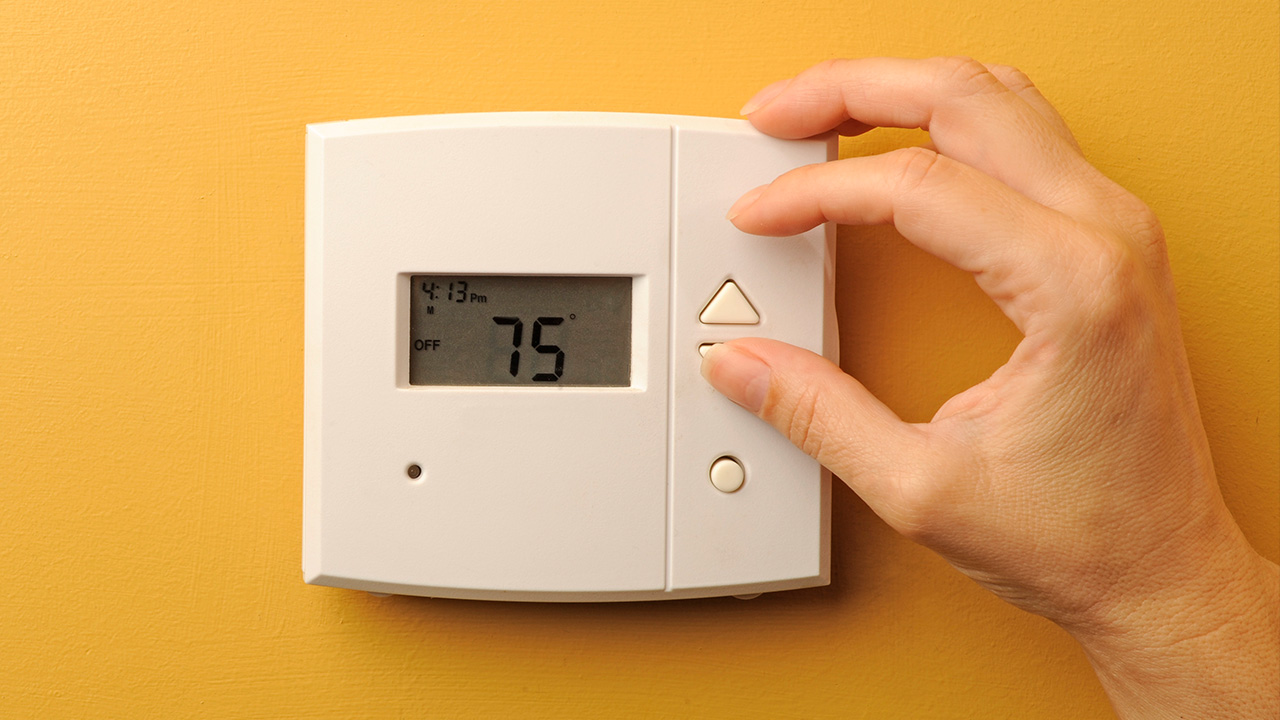
Walk into an office that’s too hot and you’ll feel it immediately. People look uncomfortable, concentration drops, and small irritations start to multiply. Someone opens a window. Someone else turns on a desk fan. A thermostat argument begins. Before long, productivity takes a hit.
Temperature might seem like a minor workplace issue, but it plays a surprisingly large role in how well people work. Numerous studies have shown that when the best office temperature is maintained, employees focus better, make fewer mistakes, and feel more comfortable throughout the day.
For HR teams and office managers, climate control is not just about comfort. It is about creating an environment where people can perform at their best. When temperature problems appear, staff satisfaction often drops quickly.
This article explores what the best office temperature actually is, why it matters for workplace productivity, and how modern climate systems can help businesses maintain the ideal environment consistently.
Why Office Temperature Matters More Than You Think
Many organisations invest heavily in technology, office design, and employee benefits to improve performance. Yet something as simple as temperature can quietly undermine those efforts.
When offices are too warm, several things happen:
- Concentration levels decline
- Employees feel tired more quickly
- Decision-making slows down
- Workplace frustration increases
In extreme cases, overheated offices can even lead to headaches and fatigue.
Maintaining the best office temperature helps employees remain alert and comfortable. When people are physically comfortable, they are far more likely to remain mentally engaged with their work.
For HR managers and workplace planners, this makes temperature control a critical component of productivity.
What Is the Best Office Temperature?
The ideal workplace temperature has been studied extensively by workplace researchers and occupational health specialists.
While individual preferences vary slightly, most research points to a comfortable range between 22°C and 24°C for typical office environments.
This range is widely considered the best office temperature for balancing comfort and productivity.
At this level:
- Staff remain alert without feeling overheated
- Computer equipment operates efficiently
- Energy usage remains manageable
- Most employees feel comfortable throughout the day
Temperatures above this range can quickly lead to discomfort, especially in busy offices where body heat and electronic equipment already generate warmth.
Maintaining the best office temperature consistently across all areas of the workplace is therefore essential.
The Productivity Impact of a Hot Office
One of the biggest misconceptions in workplace management is that temperature only affects comfort.
In reality, overheating directly affects cognitive performance.
Studies show that productivity declines when office temperatures rise beyond the best office temperature range. According to Safe Work Australia, high air temperatures in the workplace can contribute to fatigue, reduced concentration, and heat-related illness, all of which can affect a worker’s ability to perform tasks safely and effectively.
When temperatures climb above 25°C:
- Employees make more typing errors
- Focus becomes harder to maintain
- Tasks take longer to complete
- Staff fatigue increases
Even a small increase above the best office temperature can have noticeable effects on output.
For businesses managing large teams, these productivity losses can quickly translate into measurable performance issues.
Why Temperature Complaints Are So Common
If you have ever managed an office environment, you know that thermostat debates are almost guaranteed.
Some employees feel cold while others feel warm. One department complains about airflow while another complains about stale air.
These conflicts often occur because many offices rely on older climate systems that treat entire floors as a single temperature zone.
This means the system cannot maintain the best office temperature for every room.
For example:
- Meeting rooms may become too warm during large presentations
- Sun-facing offices heat up faster than interior spaces
- Server rooms generate additional heat
Without flexible climate control, maintaining the best office temperature across different areas becomes difficult.
The Hidden Cost of Poor Temperature Control
Temperature problems do more than irritate employees. They also affect workplace efficiency.
Poor temperature control can lead to:
- Higher employee dissatisfaction
- Increased absenteeism
- Reduced focus and accuracy
- Lower overall productivity
Over time, these factors can impact organisational performance.
HR teams increasingly recognise that maintaining the best office temperature is not simply about comfort but about supporting workplace wellbeing and productivity.
Investing in effective climate control can therefore produce measurable returns.
Different Office Areas Have Different Needs
Modern workplaces contain a variety of environments.
A single temperature setting rarely works for every space in the building.
For example:
- Meeting Rooms
Large groups of people generate significant heat. These rooms often require stronger cooling during busy periods. - Open-Plan Offices
Large open spaces benefit from stable, balanced temperatures to maintain consistent comfort across multiple desks. - Private Offices
Individual offices may require personalised temperature adjustments depending on occupant preference. - Server Rooms
Technology generates constant heat, requiring cooler conditions than typical workspaces.
Because of these variations, maintaining the best office temperature often requires advanced climate systems capable of managing multiple zones.
Seasonal Temperature Challenges
Office temperature management becomes even more complicated during seasonal changes.
In Australia, summer heat can push indoor temperatures well beyond comfortable levels if cooling systems are not properly managed.
When outdoor temperatures climb, maintaining the best office temperature requires systems that respond quickly to rising heat loads.
Similarly, cooler winter mornings may require heating adjustments to keep employees comfortable when they arrive at work.
Flexible climate systems allow offices to maintain the best office temperature year-round without constantly adjusting settings manually.
Smart Climate Systems Improve Workplace Comfort
Modern climate control technology has transformed how commercial buildings manage temperature.
Advanced systems allow building managers to maintain the best office temperature while improving energy efficiency.
Features often include:
- Zoned climate control for different rooms
- Smart thermostats with digital monitoring
- Automated scheduling based on office hours
- Energy-efficient cooling technology
These systems allow offices to maintain stable conditions even when building occupancy changes throughout the day.
With better temperature control, organisations can ensure the best office temperature remains consistent across the entire workplace.
How Office Temperature Affects Staff Morale
Employee comfort has a direct influence on workplace morale.
When people feel physically uncomfortable, frustration levels increase. Even small irritations can affect team dynamics and workplace culture.
A hot office environment can cause:
- Irritability among staff
- Reduced patience during meetings
- Complaints about workplace conditions
Maintaining the best office temperature helps eliminate one of the most common sources of workplace tension.
When staff feel comfortable, they are far more likely to remain engaged, cooperative, and productive.
Creating a Comfortable Workplace Environment
For HR teams and office managers, creating the right workplace environment involves balancing several factors.
Lighting, noise levels, workspace design, and air quality all play roles. However, temperature remains one of the most immediate influences on daily comfort.
Maintaining the best office temperature ensures that employees can focus on their work rather than on adjusting fans, opening windows, or debating thermostat settings.
The goal is simple: create a workplace where climate conditions support productivity rather than disrupt it.
When Your Office Climate System Needs an Upgrade
If your workplace regularly experiences temperature complaints, it may be time to evaluate the building’s climate system.
Warning signs include:
- Uneven temperatures between rooms
- Staff frequently adjusting thermostats
- Areas that remain hot even when cooling is active
- High energy bills without improved comfort
These issues often indicate that existing systems are struggling to maintain the best office temperature across the entire workplace.
Upgrading to modern climate solutions can resolve these issues while improving energy efficiency.
Why Professional Climate Design Matters
Office climate systems are not simply about installing air conditioning units.
Effective workplace cooling requires careful planning based on building layout, occupancy levels, and heat loads from equipment and lighting.
Professional climate specialists can assess these factors to ensure systems deliver the best office temperature consistently.
Proper system design ensures that:
- Every workspace receives balanced airflow
- Cooling capacity matches building requirements
- Energy usage remains efficient
This approach helps businesses avoid the comfort and productivity issues caused by inconsistent temperatures.
Consistent Temperature Supports Productivity
The difference between a comfortable office and an overheated one can dramatically affect employee productivity and morale.
When workplaces maintain the best office temperature, staff remain focused, engaged, and comfortable throughout the day.
For HR teams and office managers, effective climate control is not just a facility issue. It is a key part of creating a workplace where people can perform at their best.
Consistent temperature management supports productivity, reduces frustration, and helps teams maintain a positive working environment.
Keep Your Office Comfortable with Air Care
If your workplace struggles with uneven temperatures or overheated rooms, it may be time to upgrade your climate system.
Air Care specialises in designing and installing advanced commercial climate solutions that help businesses maintain the best office temperature throughout every workspace.
Our experienced team works with HR managers, building owners, and facility teams to create efficient cooling systems tailored to modern offices.
Whether you need better temperature control, improved energy efficiency, or a complete climate upgrade, Air Care can help transform your office environment.
Contact Air Care today to discuss a smarter climate solution and create a workplace where your team stays comfortable, productive, and ready to perform.