
When the outside temperature hits 40°C, factory floors can quickly turn into pressure cookers. Machines generate heat, production lines run continuously, and large buildings trap warm air. Before long, productivity drops, workers become fatigued, and equipment begins operating outside optimal conditions.
For manufacturing plant managers, maintaining a stable working environment is not a luxury—it is a necessity. High temperatures can affect everything from staff safety to product quality and machinery performance.
This is where properly designed industrial air conditioning systems prove their value.
Modern industrial air conditioning systems are engineered to maintain controlled temperatures even when extreme heat pushes outside conditions to their limits. With the right approach, factories can maintain a consistent 20°C environment even during intense Australian heatwaves.
Why Heat Is a Serious Problem on Factory Floors
Factories naturally generate heat. Production machinery, motors, furnaces, compressors, and lighting systems all release thermal energy during operation.
When outdoor temperatures rise, the combined effect can push indoor temperatures far beyond comfortable levels.
On many factory floors during summer heatwaves, indoor temperatures can exceed 45°C without proper climate control.
This creates several major risks:
- Worker fatigue and heat stress
- Reduced productivity and concentration
- Equipment overheating and shutdowns
- Product quality issues
- Increased safety incidents
Without reliable industrial air conditioning systems, managing these risks becomes extremely difficult.
Plant managers must ensure their facilities can handle extreme heat while maintaining safe and efficient working conditions.
The 20°C Target: Why It Matters
Maintaining a consistent temperature around 20°C may seem ambitious during a 40°C heatwave, but it delivers significant benefits for manufacturing operations.
A controlled environment improves:
Worker Performance
Employees working in comfortable conditions maintain focus and stamina throughout their shifts.
Machinery Reliability
Many production machines operate best within specific temperature ranges. Overheating can shorten equipment lifespan.
Product Quality
Temperature fluctuations can affect sensitive manufacturing processes, particularly in industries such as electronics, pharmaceuticals, and food production.
Well-designed air conditioning systems allow factories to maintain stable conditions that support both productivity and safety.
Why Traditional Cooling Systems Fail in Factories
Many factories rely on outdated cooling systems designed for office spaces rather than large industrial environments.
These systems often struggle because:
- Factory buildings have higher ceilings
- Heat loads from machinery are substantial
- Large open areas require powerful airflow
- External heat infiltration is significant
Standard commercial air conditioners simply cannot manage these conditions.
This is why facilities require specialised air conditioning systems designed specifically for large-scale operations.
Industrial cooling systems must handle heavy workloads while delivering consistent airflow across expansive factory floors.
Calculating the Real Cooling Load
The first step in designing effective air conditioning systems is calculating the building’s total heat load.
This includes several factors:
- Machinery Heat Output
- Production equipment can generate large amounts of heat during operation.
- Building Structure
- Roof materials, insulation quality, and wall construction affect how much heat enters the building.
- Workforce Density
- Large teams working on the floor contribute additional heat.
- Lighting Systems
Industrial lighting produces thermal energy that must be accounted for.
Accurate heat load calculations ensure air conditioning systems have sufficient capacity to maintain the target temperature during extreme conditions.
High-Capacity Cooling Solutions for Factories
Industrial environments require powerful cooling solutions capable of handling massive heat loads.
Some of the most effective industrial air conditioning systems include:
Evaporative Cooling Systems
Evaporative cooling works by passing warm air through water-saturated pads, lowering air temperature through evaporation.
These systems are highly energy-efficient and suitable for large spaces with adequate ventilation.
Industrial Split Systems
Heavy-duty split systems provide targeted cooling for specific areas within the factory.
These systems are often used in production zones that require precise temperature control.
Packaged Industrial Cooling Units
Packaged systems combine compressors, condensers, and air handlers into a single unit designed for high-capacity cooling.
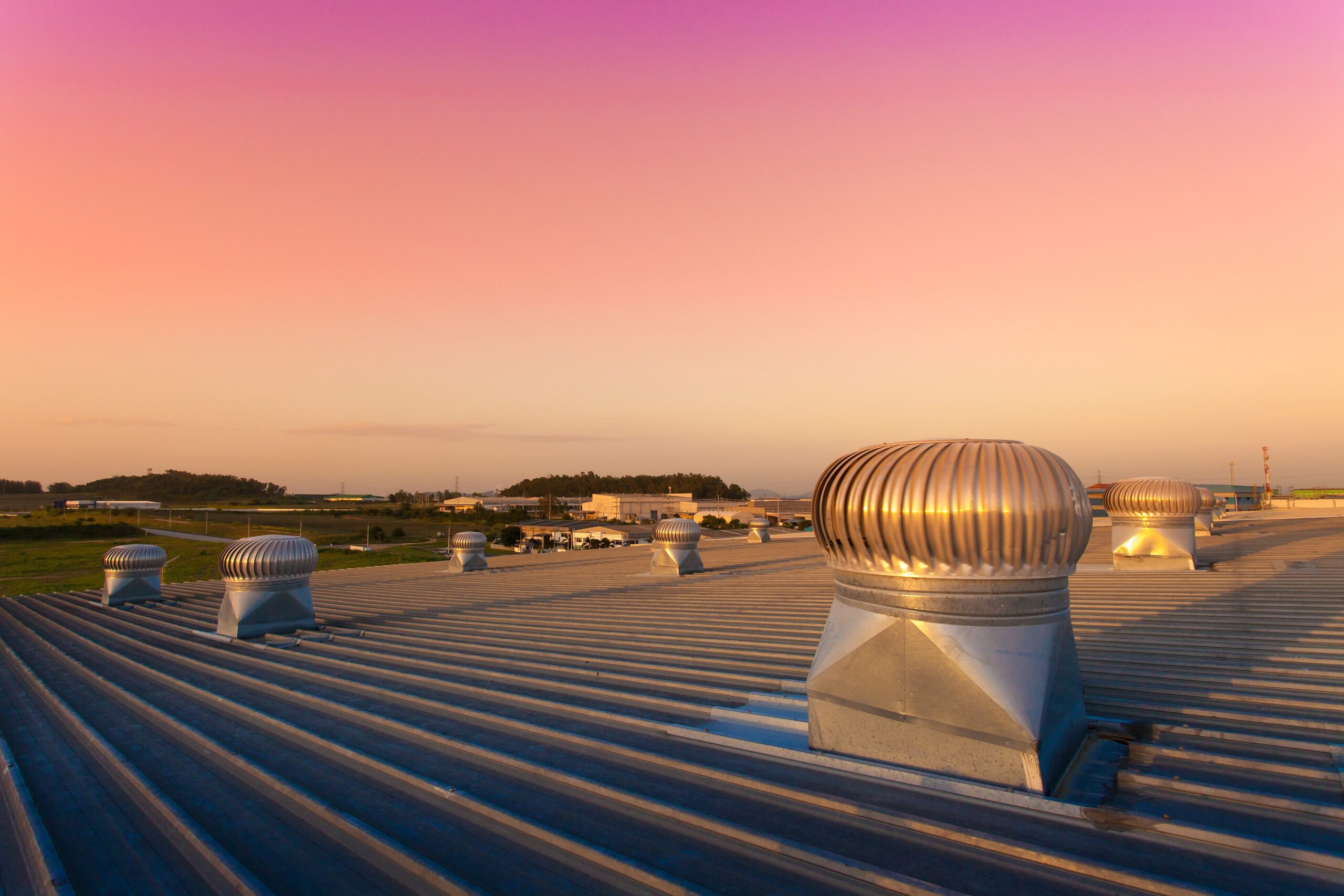
These systems are commonly installed on rooftops to deliver powerful cooling across large buildings.
Each of these industrial air conditioning systems can be configured to match the specific requirements of a manufacturing facility.
Air Distribution: The Key to Even Cooling
Cooling power alone is not enough. Air must be distributed effectively across the factory floor.
Without proper airflow design, cool air may remain near vents while other areas stay uncomfortably warm.
Well-designed industrial air conditioning systems include advanced airflow strategies such as:
- High-volume industrial fans
- Large-scale duct networks
- Air circulation systems that prevent heat pockets
Proper air distribution ensures the entire production area benefits from consistent cooling.
Insulation and Building Design Matter
Even the most powerful industrial air conditioning systems struggle if buildings allow excessive heat infiltration.
Improving building insulation can dramatically enhance cooling efficiency.
Key improvements may include:
- Reflective roofing materials
- Insulated wall panels
- Sealed loading docks
- Air curtains at entrances
These measures reduce external heat intrusion and allow cooling systems to operate more efficiently.
In many cases, upgrading building insulation reduces the energy required to maintain a stable factory temperature.
Smart Controls Improve Cooling Efficiency
Modern industrial air conditioning systems use smart control technology to manage temperature automatically.
Advanced control systems can:
- Monitor temperature across different zones
- Adjust cooling output based on production activity
- Schedule cooling cycles during peak periods
- Optimise energy consumption
These systems ensure cooling capacity is delivered where it is needed most.
For plant managers, smart controls simplify climate management while improving system performance.
Protecting Workers During Heatwaves
Heatwaves pose serious risks for workers in industrial environments.
When temperatures climb above safe levels, heat stress becomes a real concern.
Symptoms may include:
- Dizziness
- Fatigue
- Dehydration
- Reduced concentration
Maintaining safe indoor temperatures with industrial air conditioning systems protects worker health and ensures production continues safely.
This is particularly important during prolonged heatwaves when outdoor conditions remain extreme for several days.
Preventing Equipment Failures
Industrial equipment often operates within specific temperature ranges.
When factory temperatures rise, machinery components may overheat, causing:
- Unexpected shutdowns
- Production delays
- Maintenance issues
- Reduced equipment lifespan
Reliable industrial air conditioning systems stabilise the environment, protecting sensitive equipment and maintaining consistent production output.
For many manufacturers, preventing downtime alone justifies the investment in advanced cooling systems.
Energy Efficiency for Large Facilities
Cooling large factory spaces requires significant energy. However, modern industrial air conditioning systems are designed to deliver powerful cooling without excessive power consumption.
Energy-efficient systems often include:
- Variable speed compressors
- High-efficiency heat exchangers
- Smart temperature sensors
- Zoned cooling systems
These technologies allow factories to maintain ideal conditions while controlling operational costs.
Efficient industrial air conditioning systems help manufacturers remain competitive while maintaining safe working environments.
Preparing for Future Heatwaves
Climate conditions across Australia continue to produce more frequent and intense heatwaves. According to the Australian Bureau of Meteorology, heatwaves across Australia are becoming more frequent, longer in duration, and more intense, placing increasing pressure on workplaces and industrial facilities to manage extreme heat conditions.
Factories that rely on outdated cooling infrastructure may struggle to maintain safe operating conditions in the future.
Upgrading to modern industrial air conditioning systems ensures facilities remain prepared for rising temperatures and changing environmental conditions.
Plant managers who invest in robust cooling solutions today protect their operations for years to come.
Running a manufacturing facility during a 40°C heatwave is a serious challenge. Without proper climate control, heat can affect workers, machinery, and production efficiency.
Fortunately, advanced industrial air conditioning systems provide powerful solutions designed specifically for industrial environments.
With accurate heat load calculations, strong airflow design, and energy-efficient cooling technology, factories can maintain stable indoor temperatures even during extreme heat.
For manufacturing plant managers, investing in reliable industrial air conditioning systems is not just about comfort, it is about protecting productivity, safety, and operational stability.
Keep Your Factory Cool with Air Care
When extreme heat threatens your operations, you need cooling systems designed for industrial performance.
Air Care specialises in high-capacity industrial air conditioning systems built to handle the toughest Australian conditions. Our team works with manufacturing facilities to design and install cooling solutions that keep factory floors safe, productive, and comfortable, even during intense heatwaves.
Whether you need a new cooling system, an upgrade to existing infrastructure, or expert advice on managing industrial heat loads, Air Care has the experience to deliver reliable results.
Contact Air Care today to discuss a customised industrial cooling solution and keep your factory floor operating at peak performance—no matter how hot it gets outside.