

If you are installing an air conditioning system for the first time, it is completely normal to feel unsure about what the process involves. Many homeowners picture a complicated, disruptive job that takes days to complete, with uncertainty around timelines, costs, and what to expect at each stage.
The reality is much more straightforward when handled by experienced professionals. Understanding the aircon install process can remove a lot of that uncertainty and help you feel confident about your decision. From the first inspection to the final system test, each step is planned to ensure your system is installed safely, efficiently, and with minimal disruption.
This guide walks you through exactly what happens during an air conditioning installation, so you know what to expect before, during, and after the process.
Step 1: Initial Consultation and Site Assessment
The installation process begins with a consultation. This is where your installer assesses your home, discusses your cooling needs, and recommends the most suitable system.
During this stage, several important factors are considered. The size of your home, the layout of your rooms, insulation levels, and how you use each space all influence the type and capacity of the system required.
This level of accuracy is critical, particularly when considering long-term energy use. According to the Australian Government’s Department of Climate Change, Energy, the Environment and Water, heating and cooling can account for between 20% and 50% of total energy use in Australian homes, depending on climate and household conditions.
A properly sized system is essential, as an undersized unit will struggle to cool effectively, while an oversized system may cycle inefficiently and increase energy costs.
The installer will also inspect potential locations for indoor and outdoor units, ensuring there is adequate space and ventilation. This step is critical in ensuring the system performs efficiently once installed.
Step 2: System Selection and Quotation
After the assessment, you will receive a recommendation for the most suitable air conditioning system. This may include options such as split systems or ducted air conditioning, depending on your home and preferences.
At this stage, your installer will provide a detailed quotation outlining the scope of work, equipment included, and estimated timeline. For first-time buyers, this is an opportunity to ask questions and clarify any concerns before proceeding.
A clear and transparent quote helps ensure there are no surprises later in the process. It also allows you to make an informed decision based on your budget and cooling requirements.
Step 3: Scheduling the Installation
Once you approve the quote, the installation is scheduled. The timing will depend on availability, the complexity of the job, and the type of system being installed.
For most residential installations, the work can be completed within a single day or over a couple of days for more complex systems. Your installer will provide a clear timeline so you know what to expect.
Scheduling is usually flexible, allowing you to choose a time that fits your routine. This is particularly helpful for busy households that need to plan around work and other commitments.
Step 4: Preparing Your Home for Installation
Before the installation begins, there may be some simple preparations required. This could include clearing access to installation areas, moving furniture, or ensuring that pets are safely secured.
Your installer will typically provide guidance on what needs to be done in advance. Taking a few minutes to prepare your space helps ensure the process runs smoothly and without delays.
On the day of installation, the team will arrive with all necessary equipment and materials, ready to begin work immediately.
Step 5: Installing the Indoor Unit
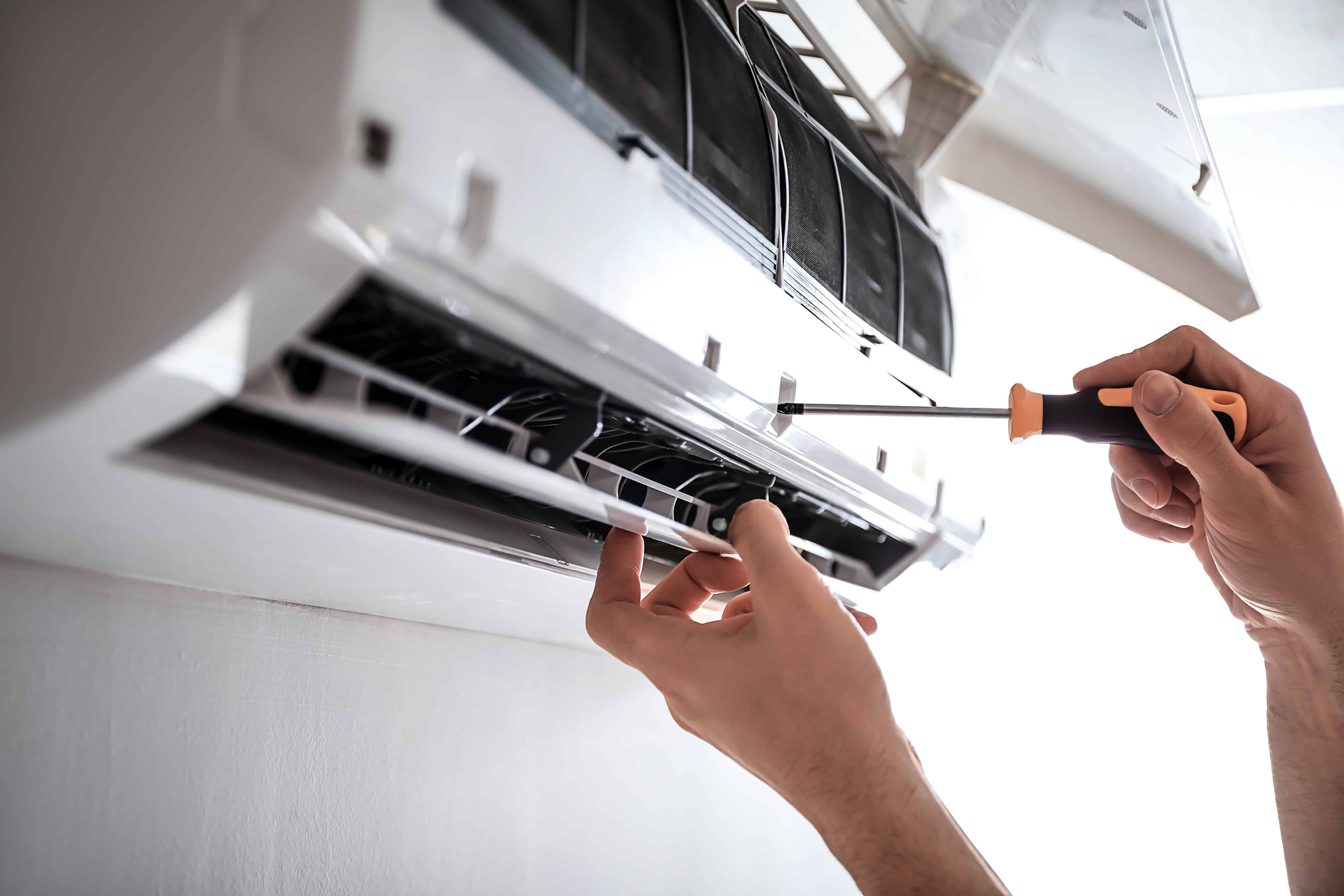
The first major step in the physical installation is positioning and mounting the indoor unit. For split systems, this involves installing the unit on a wall in a location that allows for optimal airflow.
For ducted systems, the process is more involved, as it includes installing ductwork within the ceiling or roof space. This ensures that air is distributed evenly throughout the home.
The placement of the indoor unit is carefully chosen to maximise efficiency and comfort. Installers take into account factors such as room layout, airflow direction, and accessibility for future maintenance.
Step 6: Installing the Outdoor Unit
The outdoor unit, which houses the compressor, is installed in a suitable external location. This area must provide adequate ventilation and be positioned to minimise noise impact.
Installers will secure the unit on a stable base and ensure it is properly aligned. The location is chosen to balance performance, accessibility, and aesthetics.
This step is important for ensuring the system operates efficiently and remains easy to service in the future.
Step 7: Connecting the System Components
Once both units are in place, the next step is connecting them. This involves installing refrigerant lines, electrical wiring, and drainage systems.
These connections are essential for the system to function correctly. Refrigerant lines allow the transfer of heat, while electrical connections power the system and enable communication between components.
Installers take care to ensure all connections are secure and properly insulated. This helps prevent leaks, improves efficiency, and ensures safe operation.
Step 8: Electrical Work and Compliance
Air conditioning systems require proper electrical integration to operate safely. A licensed electrician will handle this part of the installation, ensuring that all connections comply with Australian standards.
This may include connecting the system to your switchboard, installing circuit protection, and verifying that the electrical load is appropriate for your home.
Compliance with safety regulations is a critical part of the aircon install process, and it ensures your system operates reliably without risk.
Step 9: Testing and System Commissioning
After installation is complete, the system is thoroughly tested. This step, known as commissioning, ensures that everything is working as intended.
Installers will check airflow, temperature output, and system controls to confirm proper operation. They will also inspect for any leaks or issues that need to be addressed.
Testing is an important quality control step that ensures your system is ready for use and performing at its best.
Step 10: Final Walkthrough and User Guidance
Before leaving, the installation team will walk you through how to use your new system. This includes explaining the controls, setting temperatures, and understanding basic maintenance requirements.
For first-time buyers, this step provides valuable insight into how to operate the system efficiently. You will also have the opportunity to ask questions and clarify any details.
Clear guidance helps you get the most out of your system from day one.
How Long Does the Installation Take?
The duration of an air conditioning installation depends on the type of system and the complexity of the job. A standard split system installation can often be completed within a few hours, while ducted systems may take one to two days.
Your installer will provide a clear timeline during the planning stage, so you know what to expect. Most installations are completed with minimal disruption to your daily routine.
What to Expect After Installation
Once your system is installed, you can start enjoying improved comfort in your home. However, ongoing care is important to maintain performance.
Regular maintenance, such as cleaning filters and scheduling professional servicing, helps ensure your system continues to operate efficiently. Keeping up with these tasks can also extend the lifespan of your unit.
Understanding these requirements early makes it easier to maintain your system over time.
Common Concerns for First-Time Buyers
Many first-time buyers worry about noise, disruption, or the complexity of installation. In reality, modern systems are designed to operate quietly, and professional installers aim to minimise disruption during the process.
Clear communication throughout the installation helps address these concerns. Knowing what to expect at each stage can make the experience much more manageable.
Choosing an experienced provider also ensures that the installation is completed efficiently and to a high standard.
Additional Tips to Make Your Installation Smoother
For first-time buyers, a few extra steps can make the installation experience even more seamless. Confirming access points for installers ahead of time, ensuring parking availability, and discussing preferred installation times can help avoid delays on the day.
It is also helpful to consider future usage when planning your system. Thinking about which rooms you use most often, your typical daily schedule, and how you want to control your system can help your installer tailor the setup more effectively.
If your system includes smart controls or zoning features, taking the time to understand these functions early can improve comfort and efficiency. This small effort upfront can make a noticeable difference in how well your system performs over time.
A Straightforward Process With the Right Team
The aircon install process is structured to be efficient, safe, and predictable. While it may seem complex at first, each step is carefully planned to ensure a smooth experience.
For first-time buyers, understanding the process removes uncertainty and helps you approach installation with confidence. From consultation to final testing, every stage is designed to deliver a reliable and effective cooling solution.
Ready to Install Your Air Conditioning System?
If you are planning your first installation, working with a trusted provider makes all the difference. Air Care, offers professional air conditioning installation with clear timelines, expert guidance, and quality workmanship.
Contact Air Care today to book your consultation and take the first step towards a more comfortable home. With the right team, your installation can be simple, efficient, and stress-free.