

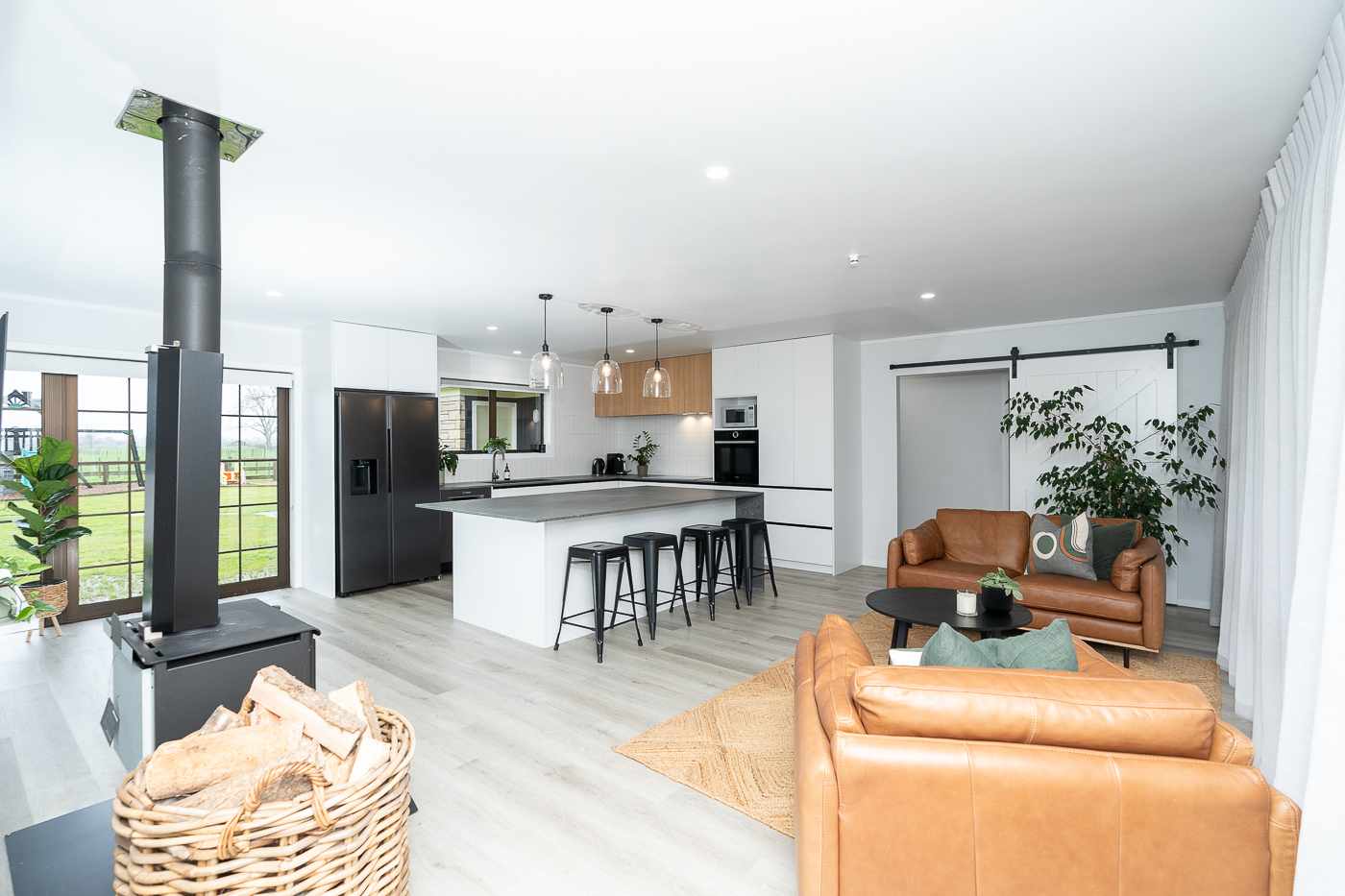
You might not notice it straight away, but the air inside your home can quietly become stale, heavy, and unhealthy. Doors and windows stay closed for long periods, air conditioning runs continuously, and natural airflow becomes limited. Over time, this creates an environment where air is constantly recycled instead of refreshed. Poor airflow can affect sleep, trigger respiratory symptoms, and create conditions where dust, moisture, and airborne particles accumulate. Understanding the home ventilation benefits of proper airflow control is one of the most effective ways to improve your indoor environment and protect your family’s wellbeing.
The good news is that most ventilation issues are not permanent. With the right adjustments and systems in place, you can restore fresh, clean airflow throughout your home.
What Does It Mean When a Home “Can’t Breathe”?
A home that “can’t breathe” is one where fresh air is not entering and stale air is not exiting efficiently. While modern homes are designed to be energy-efficient and well-sealed, this often limits natural ventilation.
Without proper airflow, indoor air becomes trapped. Everyday activities such as cooking, showering, cleaning, and even breathing release moisture and particles into the air. When this air is not replaced, it lingers and builds up over time.
This can result in a noticeable change in how your home feels. The air may seem heavy or stale, and rooms may feel warmer or more humid than expected. Even with air conditioning running, the lack of fresh air can make the environment feel uncomfortable.
The Hidden Impact of Poor Ventilation
Poor ventilation has a direct effect on indoor air quality, which in turn affects health and comfort. This becomes even more significant when you consider how much time is spent inside the home. The Australian Government notes that Australians spend 90% or more of their time indoors, meaning the quality of indoor air has a direct and ongoing impact on health and wellbeing.
Airborne particles such as dust, pollen, and pet dander can accumulate in stagnant air, increasing exposure for everyone in the household.
For allergy sufferers, this can lead to persistent symptoms such as sneezing, itchy eyes, and congestion. Children, whose immune systems are still developing, may be more sensitive to these conditions, making airflow control especially important.
Moisture build-up is another major concern. Without proper ventilation, humidity levels can rise, creating an environment where mould can develop. Mould growth not only damages surfaces but also releases spores into the air, further impacting air quality.
These effects often develop gradually, which is why they can go unnoticed until they begin to interfere with daily comfort.
Signs Your Home Has Airflow Problems
There are several signs that indicate your home may not be ventilated effectively. A persistent feeling of stuffiness, particularly in enclosed spaces, is one of the most common indicators.
Condensation on windows, especially in the mornings, suggests excess moisture in the air. Musty or damp odours can point to poor circulation or hidden mould growth within walls or ceilings.
Uneven temperatures between rooms may also indicate airflow issues, where some areas receive adequate circulation while others remain stagnant. Increased allergy symptoms indoors, particularly when windows are closed, can further signal that air quality is compromised.
Recognising these signs early allows you to take action before the problem becomes more serious.
Airflow Control Matters
Airflow control is about creating a consistent and balanced movement of air throughout your home. Instead of relying on occasional airflow, controlled ventilation ensures that fresh air is continuously introduced while stale air is removed.
This process helps maintain a healthier indoor environment by reducing the concentration of airborne particles and regulating humidity levels. It also improves overall comfort by ensuring that each room receives adequate airflow.
One of the most valuable home ventilation benefits is the ability to maintain consistent air quality. Rather than experiencing fluctuations in comfort, you can create a stable and breathable environment throughout your home.
Understanding Home Pressurisation
Home pressurisation is a method used to improve ventilation by introducing filtered air into your home, creating slightly higher internal air pressure. This process encourages stale air to be pushed out through natural gaps and ventilation points.
By continuously supplying fresh, filtered air, pressurisation systems help reduce the build-up of dust, allergens, and moisture. This makes them particularly beneficial for households with allergy sufferers.
Pressurisation also supports better air distribution, ensuring that fresh air reaches all areas of the home. This creates a more balanced and comfortable living environment.
How Better Ventilation Improves Health
Improving ventilation has clear health benefits. Cleaner air reduces exposure to allergens, helping to minimise symptoms for those with sensitivities. It also supports respiratory health by providing a steady supply of fresh air.
Better airflow can contribute to improved sleep quality, as breathing becomes easier in a well-ventilated environment. This is especially important for children, who may be more affected by poor air quality.
For families, maintaining good ventilation helps create a safer and more comfortable home. It reduces the risk of mould growth and ensures that indoor air remains fresh and breathable.
Practical Ways to Improve Airflow Quickly
If your home feels stuffy, there are immediate steps you can take to improve airflow. Opening windows and doors at opposite ends of the home can create cross-ventilation, allowing fresh air to move through naturally.
Using exhaust fans in kitchens and bathrooms helps remove moisture and odours, preventing them from lingering. Keeping vents clear of obstructions ensures that air can circulate freely throughout your home.
Even small adjustments, such as rearranging furniture or opening internal doors, can improve airflow. These simple changes can make a noticeable difference, especially when combined with other ventilation strategies.
Long-Term Solutions for Better Ventilation
While short-term fixes can provide relief, long-term solutions offer consistent results. Mechanical ventilation systems are designed to manage airflow more effectively than natural methods alone.
These systems can introduce filtered air, remove stale air, and maintain balanced humidity levels. Some systems integrate with existing air conditioning setups, providing a seamless approach to climate control.
Home pressurisation systems are particularly effective, as they continuously supply fresh air and prevent the conditions that lead to poor air quality. Investing in a long-term solution ensures that your home remains comfortable and healthy year-round.
The Link Between Ventilation and Energy Efficiency
There is often concern that improving ventilation may increase energy use. In reality, controlled airflow can enhance energy efficiency by supporting your heating and cooling systems.
When air circulates properly, your system does not need to work as hard to maintain a comfortable temperature. This reduces strain on the system and can help manage energy consumption.
Balanced airflow also prevents hot and cold spots, allowing your air conditioning to operate more effectively. Over time, this can contribute to more consistent performance and lower operating costs.
Why Families Should Prioritise Air Quality
For parents, indoor air quality is an important part of maintaining a healthy home. Children spend a significant amount of time indoors, particularly during extreme weather conditions.
Ensuring that your home is well-ventilated helps protect their health and comfort. It also creates a more pleasant living environment for the entire household.
Addressing ventilation early can prevent long-term issues and support overall wellbeing.
Additional Factors That Influence Airflow
Airflow is affected by more than just ventilation systems. The layout of your home, the placement of furniture, and even daily habits can influence how air moves through your space.
Closed internal doors can limit airflow between rooms, while heavy furnishings can block vents and restrict circulation. Seasonal habits, such as keeping windows closed during colder months, can further reduce ventilation.
Humidity levels also play a role. High moisture content in the air can make rooms feel warmer and more uncomfortable, even when temperatures are controlled. Managing these factors alongside ventilation systems helps create a more effective airflow strategy.
Being aware of these influences allows you to make adjustments that support better air movement throughout your home.
Your Home Should Support Healthy Living
A home should be a place where you can relax and breathe comfortably. When airflow is limited, it affects not only how your space feels but also how it supports your health and daily life.
Understanding the home ventilation benefits of proper airflow control gives you the tools to improve your indoor environment. Whether through simple changes or more advanced systems, taking action can make a lasting difference.
Improve Your Home’s Airflow With Air Care
If your home feels stuffy or you are concerned about indoor air quality, Air Care can help. Their team specialises in ventilation and pressurisation solutions that improve airflow and create healthier living spaces.
Contact Air Care today to find the right solution for your home. A well-ventilated space is not just more comfortable, it is better for your health, your family, and your everyday life.