
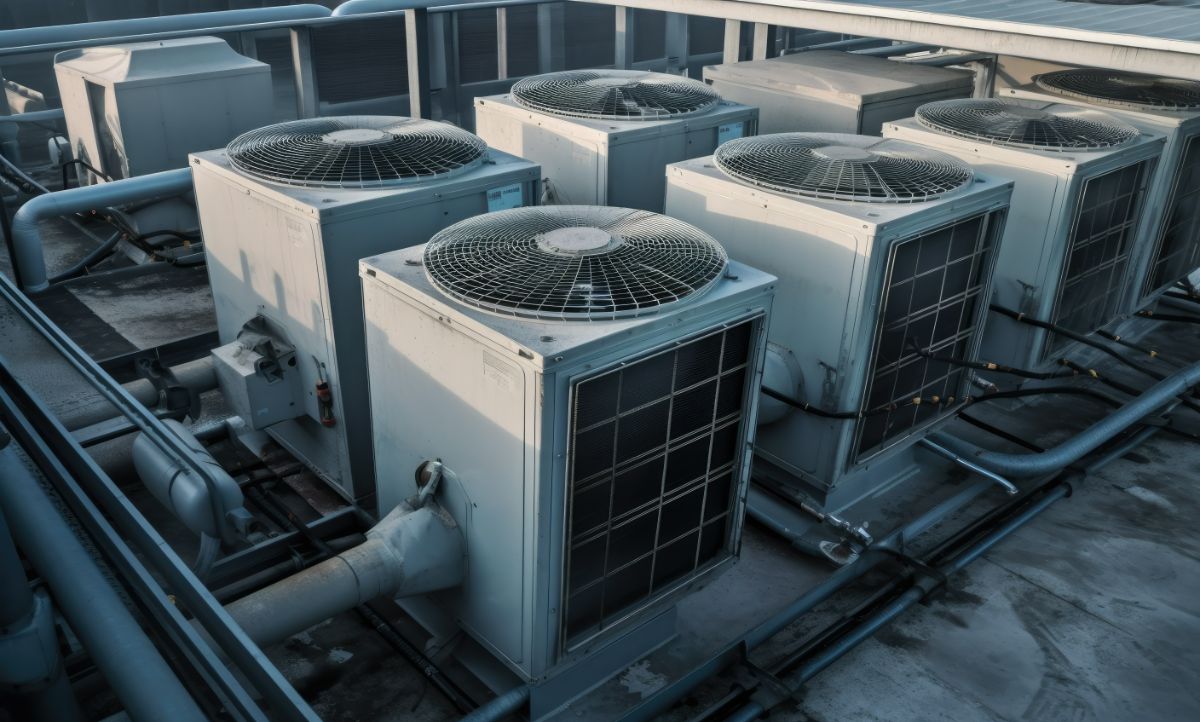
Ventilation systems are often installed to improve air quality, remove fumes, and regulate temperature in commercial and industrial buildings. However, what many builders and safety officers overlook is that poorly designed or poorly maintained ventilation systems can become a serious fire hazard.
Grease buildup, dust accumulation, poor airflow design, and inadequate maintenance can all contribute to dangerous conditions inside ductwork. When heat, sparks, or flammable materials interact within these systems, the results can escalate quickly.
For builders, facility managers, and workplace safety officers, understanding exhaust system fire safety is essential. Ventilation systems must do more than move air—they must operate safely under demanding conditions.
This guide explains how ventilation systems can become fire risks, what warning signs to watch for, and how proper design and maintenance can dramatically improve exhaust system fire safety.
Why Ventilation Systems Can Become Fire Hazards
Ventilation systems are designed to remove airborne contaminants from enclosed spaces. In commercial kitchens, workshops, warehouses, and manufacturing environments, exhaust systems remove smoke, grease vapours, chemicals, or dust particles.
Over time, these contaminants accumulate inside ductwork and ventilation components.
Without proper maintenance, this buildup can become highly flammable.
Common causes of ventilation-related fires include:
- Grease accumulation in kitchen exhaust ducts
- Dust buildup in industrial ventilation systems
- Poor airflow causing overheating in ducts
- Improperly installed ventilation components
- Lack of routine cleaning and inspections
These conditions increase the risk of ignition within the system. Once a fire begins inside ductwork, it can spread quickly through the building’s ventilation network.
This is why exhaust system fire safety must be considered during both system design and long-term maintenance.
The Hidden Fire Pathways Inside Ductwork
One of the most dangerous aspects of ventilation fires is how quickly flames can spread through duct systems.
Ductwork connects multiple rooms, floors, and building zones. If a fire begins inside a ventilation system, it can travel along the duct path and reach areas far from the original ignition point.
For example:
- A kitchen grease fire may spread through exhaust ducts
- Dust ignition in a workshop can travel through ventilation pipes
- Heat buildup in poorly ventilated areas can ignite debris inside ducts
Without proper safeguards, ventilation systems can act as hidden fire pathways.
Maintaining strong exhaust system fire safety ensures these pathways are properly protected and monitored.
Grease Buildup in Commercial Kitchen Systems
Commercial kitchens represent one of the most common sources of ventilation-related fires.
Cooking oils release vapours that rise into kitchen exhaust hoods. Over time, these vapours condense and form layers of grease inside ducts and extraction fans.
Grease is highly flammable. If a flame or spark reaches this buildup, it can ignite quickly. According to Fire and Rescue NSW, commercial kitchens are one of the most common sources of building fires, with grease accumulation in cooking and exhaust systems frequently contributing to fire incidents.
In serious cases, fires can travel rapidly through the entire kitchen ventilation system.
For builders designing food-service facilities, exhaust system fire safety must include proper duct materials, fire-resistant components, and accessible cleaning points.
Routine cleaning schedules are also essential to prevent grease accumulation from reaching dangerous levels.
Dust and Particle Buildup in Industrial Facilities
Dust accumulation is another major fire risk within ventilation systems.
Industries such as woodworking, grain processing, manufacturing, and construction generate airborne dust particles that must be removed through exhaust systems.
When these particles collect inside ducts, they create combustible layers that can ignite under the right conditions.
Dust explosions and fires have caused serious incidents in industrial environments worldwide.
Strong exhaust system fire safety practices help reduce these risks by ensuring proper airflow, filtration, and cleaning protocols are maintained.
Builders and safety officers must consider these hazards when designing ventilation infrastructure for industrial facilities.
Poor Ventilation Design Increases Fire Risk
Not all ventilation hazards result from poor maintenance. In some cases, the risk begins during the design stage.
Poorly designed systems may include:
- Undersized ducts that restrict airflow
- Sharp duct turns that collect debris
- Insufficient airflow capacity
- Inaccessible sections that cannot be cleaned
These design flaws allow flammable materials to accumulate inside the system.
Professional system design ensures that ventilation networks promote smooth airflow and minimise buildup inside ducts.
A properly engineered ventilation layout improves both operational performance and exhaust system fire safety.
Overheated Equipment and Ventilation Failure
Ventilation systems play a critical role in removing heat from many commercial environments.
When airflow becomes restricted due to blockages or mechanical failure, heat can accumulate inside ducts or near ventilation equipment.
Excess heat increases the likelihood of ignition when flammable materials are present.
Common warning signs include:
- Unusual odours near exhaust vents
- Reduced airflow from ventilation outlets
- Visible smoke or dust near duct openings
- Excessive heat around ventilation fans
Addressing these problems quickly is essential for maintaining exhaust system fire safety.
Regular inspections can help identify overheating risks before they escalate.
The Importance of Routine Ventilation Inspections
Routine inspections are one of the most effective ways to protect ventilation systems from becoming fire hazards.
Safety officers should implement inspection schedules that include:
- Checking ducts for debris accumulation
- Monitoring airflow performance
- Examining fan motors and electrical components
- Verifying fire dampers and safety devices
Regular inspections ensure that ventilation systems remain clean and fully operational.
Maintaining these standards is essential for long-term exhaust system fire safety in commercial buildings.
Fire Dampers and Protective Components
Modern ventilation systems often include safety devices designed to stop fires from spreading through ducts.
Fire dampers are one of the most important components.
These devices automatically close when high temperatures are detected inside ducts, preventing flames from spreading through the ventilation network.
Other protective components may include:
- Fire-resistant duct materials
- Heat detection systems
- Automatic shutdown controls
- Fire suppression systems for kitchen exhaust units
Installing these safety features significantly improves exhaust system fire safety in high-risk environments.
Builders should ensure these components are integrated into ventilation designs from the beginning.
Cleaning and Maintenance Schedules
Proper cleaning is one of the most effective fire prevention measures for ventilation systems.
Without regular maintenance, contaminants such as grease, dust, and debris accumulate inside ductwork.
Cleaning schedules vary depending on building type.
For example:
- Commercial kitchens may require monthly inspections and quarterly deep cleaning
- Industrial facilities may require dust removal based on production levels
- Workshops may need periodic cleaning of extraction systems
Maintaining these schedules is essential for consistent exhaust system fire safety.
Safety officers should document cleaning routines and ensure they are followed correctly.
Compliance with Building and Safety Regulations
Australian building codes and workplace safety regulations require ventilation systems to meet strict fire safety standards.
Builders and safety officers must ensure that systems comply with regulations related to:
- Fire-rated duct construction
- Proper exhaust airflow design
- Fire damper installation
- Maintenance accessibility
Failure to meet these standards can increase fire risk and expose organisations to legal liability.
Following regulatory guidelines ensures ventilation systems maintain appropriate exhaust system fire safety levels.
Training Staff to Recognise Warning Signs
Even well-designed systems require attentive staff to monitor their condition.
Facility teams should be trained to recognise early warning signs of ventilation problems.
These signs may include:
- Unusual smells from ventilation outlets
- Visible grease buildup around exhaust hoods
- Decreased airflow performance
- Strange noises from ventilation fans
When these warning signs appear, maintenance teams should investigate immediately.
Staff awareness plays an important role in maintaining ongoing exhaust system fire safety.
Why Professional Ventilation Expertise Matters
Ventilation systems are complex mechanical networks that require specialised expertise to design, install, and maintain.
Professional ventilation engineers understand how airflow patterns, duct sizing, materials, and safety components interact within a building.
Working with experienced specialists ensures systems meet performance and safety standards.
This professional approach ensures ventilation systems support building operations without introducing fire hazards.
Strong exhaust system fire safety begins with proper design and continues through regular maintenance.
Ventilation systems are essential for maintaining safe and comfortable indoor environments. However, when they are poorly designed or poorly maintained, they can become serious fire hazards.
Grease buildup, dust accumulation, restricted airflow, and inadequate safety components can all contribute to dangerous conditions inside ductwork.
Builders and safety officers must treat ventilation systems as critical infrastructure rather than background equipment.
By prioritising exhaust system fire safety, organisations can reduce fire risks, protect building occupants, and maintain compliance with safety regulations.
Protect Your Building with Air Care
If you are responsible for building safety, ventilation systems should never be overlooked.
Air Care specialises in designing, installing, and maintaining ventilation systems that meet modern fire safety standards. Our team helps builders, facility managers, and safety officers ensure proper exhaust system fire safety across commercial and industrial environments.
From system inspections to full ventilation upgrades, Air Care delivers solutions that protect both buildings and the people inside them.
Contact Air Care today to schedule a professional ventilation assessment and ensure your exhaust systems meet the highest fire safety standards.